

Pregnancy brings many physical and emotional changes, and each stage requires different kinds of care. Regular checkups, recommended tests, appropriate nutrition, and monitoring of the mother’s health help clinicians follow the progress of pregnancy. Understanding what happens during each trimester can help expectant mothers prepare for the changes ahead and know which questions to discuss during appointments.
Pregnancy Care in Pune involves monitoring the mother and baby throughout pregnancy, from the early weeks to preparation for childbirth. The care plan may vary according to the stage of pregnancy, medical history, test results, and individual health needs. Dr. Pallavi Tekale Deshpande is an obstetrician and gynecologist with an MBBS, DNB in Obstetrics and Gynecology, advanced training in minimally invasive surgery, and over 12 years of clinical experience. She is associated with ORACLE Birth & Rebirth Clinic in Kharadi, Pune.
Understanding Trimester-Wise Pregnancy Care
Pregnancy is generally divided into three trimesters. Each trimester represents a different phase of the baby’s development and the mother’s physical changes. Routine antenatal appointments help monitor these changes and identify concerns that may need further assessment.
The first trimester covers weeks 1 to 12, the second trimester covers weeks 13 to 27, and the third trimester begins at week 28 and continues until delivery. These stages help organize appointments, screening tests, and discussions about maternal health.
A pregnancy care plan is not identical for everyone. The frequency of visits and the tests recommended may depend on the mother’s age, previous pregnancy history, existing health conditions, symptoms, and earlier test results. Regular communication with the obstetrician helps ensure that care remains appropriate throughout pregnancy.
Why Is Regular Pregnancy Care Important?
Regular pregnancy checkups allow the healthcare team to review the mother’s health and follow the baby’s development. They also provide opportunities to discuss symptoms, review test results, and plan the next stage of care.
Important aspects of routine pregnancy care include:
- Monitoring blood pressure and other relevant health measurements
- Reviewing the mother’s medical and pregnancy history
- Recommending appropriate blood and urine tests
- Scheduling ultrasound scans when indicated
- Discussing nutrition, supplements, physical activity, and general wellbeing
- Assessing symptoms that may require additional medical attention
- Preparing for childbirth and postnatal care
A well-planned approach to Pregnancy Care in Pune should be guided by clinical needs rather than a fixed checklist alone. Some women may require additional appointments or investigations, while others may follow a routine schedule. The purpose of regular monitoring is to support informed decisions as pregnancy progresses.
First Trimester Pregnancy Care: Weeks 1 to 12
The first trimester is an important stage because early fetal development takes place during these weeks. Many women experience tiredness, nausea, breast tenderness, food aversions, or changes in appetite. Some may have very few symptoms, which does not necessarily indicate a problem.
An early antenatal appointment helps confirm the pregnancy, estimate gestational age, review medical history, and identify factors that may affect care. The clinician may discuss previous pregnancies, current medicines, existing medical conditions, and any symptoms that need attention.
Important checks during the first trimester
Depending on the timing and individual circumstances, early pregnancy care may include:
- Confirmation of pregnancy and assessment of gestational age
- Blood group and Rh factor testing
- Complete blood count and other recommended blood tests
- Urine testing when indicated
- Screening for selected infections according to clinical guidelines
- Blood pressure and general health assessment
- Ultrasound to assess pregnancy location, dating, or development when appropriate
- Discussion of recommended supplements and nutrition
The timing of ultrasound scans and screening tests matters. The obstetrician can explain which investigations are appropriate and when they should be performed.

Managing common early pregnancy symptoms
Nausea, vomiting, fatigue, and changes in appetite are common during early pregnancy. Small, frequent meals and adequate fluids may help some women manage mild symptoms. Persistent vomiting or difficulty keeping fluids down requires medical advice.
Medicines and supplements should be discussed with a qualified healthcare professional. Women should review existing prescriptions rather than stopping or changing medication without guidance.
First Trimester: Nutrition, Lifestyle and Daily Care
Everyday habits can support maternal wellbeing during pregnancy. A balanced diet containing vegetables, fruits, whole grains, protein sources, and other nutritious foods can help meet changing nutritional needs. Individual requirements may differ depending on dietary preferences, medical history, and test results.
Folic acid is commonly recommended before conception and during early pregnancy because it helps reduce the risk of certain neural tube defects. The appropriate dose and any additional supplements should be discussed with the treating clinician, especially when a woman has specific medical risk factors.
Other useful topics to discuss during an early appointment include:
- Safe physical activity based on the pregnancy and the mother’s health
- Food safety and avoiding foods that carry a higher risk of infection
- Avoiding alcohol, smoking, and recreational drugs
- Reviewing medicines and herbal products for pregnancy safety
- Rest, sleep, and management of nausea
- Vaccinations recommended during pregnancy
These measures should be adapted to individual circumstances. A healthcare professional can clarify which activities or dietary changes may be necessary based on a woman’s health and pregnancy history.
Pregnancy Care in Pune During the Second Trimester
The second trimester, from weeks 13 to 27, is often a period when early pregnancy symptoms begin to settle. The mother’s abdomen gradually grows as the baby develops. Some women may begin to feel fetal movements during this stage, although the timing varies between pregnancies.
Antenatal appointments continue to monitor maternal health and review the progress of pregnancy. The clinician may check blood pressure, assess weight changes, review symptoms, and recommend investigations according to the pregnancy timeline.
Important tests and scans during the second trimester
The specific tests recommended depend on previous results, clinical guidelines, and individual risk factors. They may include:
- An anatomy ultrasound, commonly scheduled around 18 to 22 weeks, to assess the baby’s development
- Blood tests to check for anaemia or other concerns when indicated
- Screening for gestational diabetes, commonly performed around 24 to 28 weeks according to the recommended protocol
- Additional scans or assessments if a medical indication is present
The anatomy scan examines the baby’s structures, but no screening test can identify every possible condition. The clinician can explain the purpose and limitations of each investigation and whether follow-up is required.
Changes to discuss during this trimester
As pregnancy progresses, some women experience back discomfort, heartburn, constipation, or changes in sleep. The appropriate response depends on the symptom’s severity and the mother’s overall health. Persistent or worsening symptoms should be discussed during an appointment rather than assumed to be a normal part of pregnancy.
Women can also use this stage to ask about safe exercise, work routines, travel, sleep positions, and other practical concerns. Advice may differ depending on pregnancy complications or other medical conditions.
Second Trimester: Monitoring Maternal and Baby Health
The second trimester provides an opportunity to review findings from earlier tests and prepare for the remaining weeks of pregnancy. Routine appointments help the healthcare team identify concerns that may not cause obvious symptoms.
Blood pressure monitoring is important because pregnancy-related high blood pressure can develop without noticeable warning signs. Screening for gestational diabetes may also be recommended, as this condition can affect pregnancy management and the baby’s growth.
At appointments, women may wish to ask:
- Are the baby’s growth and scan findings appropriate for this stage?
- Have all recommended screening tests been completed?
- Do any test results require follow-up?
- Which symptoms should prompt an earlier appointment?
- Are my current medicines and supplements appropriate?
- What changes should I expect during the third trimester?
Regular checkups help explain these findings in the context of each woman’s medical history and current test results. Understanding the next steps can help expectant parents make informed decisions without unnecessary worry.
Pregnancy Care in Pune During the Third Trimester
The third trimester begins at week 28 and continues until delivery. During this stage, the baby continues to grow, and the mother’s body prepares for labour and birth. Appointments may become more frequent as the expected delivery date approaches.
The obstetrician may monitor blood pressure, review symptoms, assess the baby’s growth and position when appropriate, and discuss the plan for delivery. Additional monitoring may be recommended if there are concerns about fetal growth, blood pressure, diabetes, or other maternal or fetal conditions.
Important areas of third trimester care
Depending on the pregnancy, appointments may include:
- Regular review of maternal health and blood pressure
- Assessment of fetal movements and discussion of any changes
- Evaluation of the baby’s growth when clinically indicated
- Screening tests recommended at the appropriate stage
- Discussion of labour signs and when to contact the maternity team
- Review of delivery preferences and medical considerations
- Preparation for breastfeeding and postnatal recovery
Not every woman requires the same scans or investigations during the final trimester. The obstetrician will determine the need for additional monitoring based on symptoms, previous results, and the overall course of pregnancy.
Preparing for labour and delivery
As the due date approaches, women can discuss how to recognize the onset of labour, when to go to the hospital, and whom to contact outside regular appointment hours. It is also helpful to understand the circumstances in which a caesarean birth or other intervention may be recommended.
The delivery plan may change if new medical information becomes available. A flexible, informed approach allows the care team to respond to the mother’s and baby’s needs.
Third Trimester: Warning Signs That Need Medical Attention
Some changes during late pregnancy need prompt assessment. Expectant mothers should know which symptoms require immediate contact with their maternity team rather than waiting for the next scheduled checkup.
Seek urgent medical advice for symptoms such as:
- Vaginal bleeding
- Fluid leaking from the vagina
- Severe or persistent abdominal pain
- Severe headache, vision changes, or sudden significant swelling
- Noticeably reduced fetal movements after a regular movement pattern has been established
- Difficulty breathing, chest pain, or fainting
- Regular painful contractions before the expected term
Heavy bleeding, severe breathing difficulty, seizures, or other signs of a medical emergency require immediate emergency care. Reduced fetal movements should be assessed promptly. Women should not wait until the next day or rely on a home device to decide whether everything is well.
These symptoms do not always mean that a serious complication is present, but professional assessment is important to determine the cause and appropriate response.
High-Risk Pregnancy Care in Pune: When Is Extra Monitoring Needed?
A pregnancy may be considered high risk when the mother, baby, or both have factors that require closer observation. This does not mean that a complication will definitely occur. It means that the care plan may need additional appointments, tests, specialist input, or monitoring.
Factors that may lead to closer monitoring include:
- High blood pressure or a history of pre-eclampsia
- Diabetes that existed before pregnancy or develops during pregnancy
- Certain thyroid, kidney, heart, or other medical conditions
- Multiple pregnancy, such as twins
- Previous pregnancy complications
- Concerns about fetal growth
- Selected age-related or medical risk factors
The recommended care depends on the particular condition and how it affects the pregnancy. Some women may need more frequent blood pressure checks or ultrasound scans, while others may require coordinated care with additional specialists.
Women with a known medical condition should share their health records and current medicines during pregnancy appointments. Early discussion helps the care team decide whether medication adjustments, extra monitoring, or specialist review may be needed.
Antenatal Care in Pune: What Happens During Routine Checkups?
Antenatal care refers to healthcare provided during pregnancy to monitor the mother and baby’s wellbeing. Appointments provide a regular opportunity to review physical changes, assess risk factors, arrange tests, and discuss questions about the pregnancy.
The contents of a visit depend on the gestational age and the woman’s medical needs. A routine appointment may involve a discussion of symptoms, blood pressure measurement, review of previous reports, and planning for the next stage of pregnancy. Other checks may be added when there is a clinical reason.
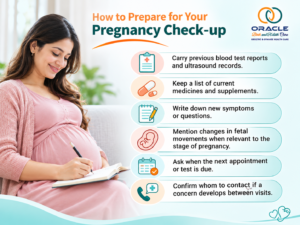
How to prepare for an antenatal appointment
To make appointments more useful, consider:
- Carrying previous blood test reports and ultrasound records.
- Keeping a list of current medicines and supplements.
- Writing down new symptoms or questions.
- Mentioning changes in fetal movements when relevant to the stage of pregnancy.
- Asking when the next appointment or test is due.
- Confirming whom to contact if a concern develops between visits.
Keeping track of appointment dates and test results can help women understand their care plan. If a symptom appears urgent, it is important to seek assessment rather than waiting for a scheduled visit. Antenatal Care in Pune can be planned according to the pregnancy stage, medical history, and recommendations of the treating clinician.
Choosing the Best Gynecologist in Pune for Pregnancy Care
Choosing an obstetrician is an important decision because pregnancy care involves regular appointments, communication, and planning throughout several months. Women may wish to consider the clinician’s qualifications, experience in obstetrics, approach to explaining test results, and arrangements for care if concerns develop.
The phrase Best Gynecologist in Pune is often used in online searches, but the right choice should depend on verified qualifications, clinical suitability, accessibility, and the patient’s comfort in discussing health concerns.
When comparing care options, consider asking:
- What is the usual appointment schedule for my stage of pregnancy?
- Which tests and scans are recommended, and when?
- How will my existing medical conditions affect the care plan?
- Whom should I contact if I have a concern outside clinic hours?
- What maternity or hospital arrangements are available if further care is needed?
- How are urgent symptoms assessed?
Dr. Pallavi Tekale Deshpande holds an MBBS and DNB in Obstetrics and Gynecology and has over 12 years of clinical experience. Her additional training includes an advanced diploma in minimally invasive surgery and training in assisted reproductive technology in Germany. Patients should confirm the current availability of specific maternity services and delivery arrangements directly with the clinic.
Pregnancy Care in Kharadi, Pune: Clinic Location and Appointments
For women looking for local antenatal appointments, clinic location and travel time may be practical considerations, particularly as pregnancy progresses. Access to scheduled checkups can help patients attend recommended visits and discuss concerns as they arise. Women searching for Pregnancy Care in Kharadi, Pune can confirm the clinic’s current appointment availability and services before visiting. Dr. Pallavi Tekale Deshpande is associated with ORACLE Birth & Rebirth Clinic in Kharadi, Pune. The clinic address provided is:
ORACLE Birth & Rebirth Clinic GSV Vertica, 202, Kharadkar Park Road, near Mundhwa Bridge, Santipur, Thite Nagar, Kharadi, Pune, Maharashtra 411014, India. Women seeking a Pregnancy Doctor in Pune can contact the clinic to verify current consultation availability, appointment timings, and services offered. Those living in nearby areas may find it useful to confirm the route and travel arrangements before the appointment. A local clinic visit should include an opportunity to discuss the pregnancy stage, medical history, recommended tests, and current symptoms. If urgent warning signs occur, patients should seek timely medical attention rather than waiting for a routine appointment.
How to Maintain a Pregnancy Care Record
Keeping a simple record throughout pregnancy can make it easier to follow appointments and remember information shared by the healthcare team. A record may include the expected due date, appointment dates, test reports, prescribed medicines, allergies, and relevant medical conditions. Women can also note questions between appointments, such as changes in sleep, appetite, discomfort, or physical activity. This information can help the clinician understand the pattern and decide whether further assessment is needed. A pregnancy record should not replace medical advice or be used to interpret test results independently. If a new or concerning symptom develops, contact a qualified healthcare professional promptly.
Frequently Asked Questions About Pregnancy Care in Pune
1. When should I schedule my first pregnancy appointment?
It is advisable to schedule an appointment soon after confirming pregnancy. Early Pregnancy Care in Pune helps review medical history, estimate gestational age, discuss supplements, and plan appropriate tests and scans.
2. What happens during the first trimester?
The first trimester includes an initial assessment, recommended blood and urine tests, and ultrasound or screening tests when appropriate. A Pregnancy Doctor in Pune may also discuss nutrition, nausea, supplements, medicines, and symptoms that need attention.
3. Which scans are usually recommended during pregnancy?
The timing and number of scans depend on individual needs and clinical guidelines. An anatomy scan is commonly performed around 18 to 22 weeks. Additional scans may be advised when medically necessary.
4. How often should I attend pregnancy checkups?
The schedule depends on the stage of pregnancy and individual health needs. Regular Antenatal Care in Pune helps monitor maternal health and the baby’s development. Some pregnancies may require more frequent appointments and additional tests.
5. When is High-Risk Pregnancy Care in Pune required?
Closer monitoring may be recommended for conditions such as high blood pressure, diabetes, multiple pregnancy, certain medical conditions, or a history of pregnancy complications. High-Risk Pregnancy Care in Pune should be planned according to individual medical needs.
6. Who is the Best Gynecologist in Pune for pregnancy care?
When choosing the Best Gynecologist in Pune, consider verified qualifications, obstetric experience, communication style, clinic accessibility, and arrangements for urgent assessment. Ask where hospital-based care or delivery services will be provided.
7. Who is a qualified Pregnancy Doctor in Pune?
A qualified Pregnancy Doctor in Pune should have appropriate training in obstetrics and be able to guide patients through pregnancy assessments, routine monitoring, recommended tests, and referrals when needed.
8. Who is a Gynecologist in Kharadi, Pune I can consult during pregnancy?
Women looking for a Gynecologist in Kharadi, Pune can review the clinician’s qualifications, experience, and available services before booking. Dr. Pallavi Tekale Deshpande is associated with ORACLE Birth & Rebirth Clinic in Kharadi, Pune. Confirm current appointment availability directly with the clinic.
9. What symptoms should not be ignored during pregnancy?
Vaginal bleeding, fluid leakage, severe abdominal pain, severe headache or visual changes, reduced fetal movements, and breathing difficulties require prompt medical advice. Severe or potentially life-threatening symptoms need emergency care.
10. Where can I seek Pregnancy Care in Pune?
Women seeking Pregnancy Care in Kharadi, Pune can consult a qualified obstetrician or gynecologist for pregnancy assessment, routine monitoring, and guidance on tests and scans. The care plan may change as pregnancy progresses or if additional monitoring becomes necessary.
Conclusion – Pregnancy Care in Pune
Each trimester brings different changes and healthcare needs, from early pregnancy assessment and screening to monitoring fetal growth and preparing for labour. Regular appointments help clinicians review the mother’s health, explain test results, and identify concerns that may need further attention. Understanding the purpose of each visit can help expectant mothers take an active role in their care.
Pregnancy Care in Pune should be tailored to the mother’s medical history, symptoms, pregnancy stage, and clinical findings. Whether attending routine appointments or requiring additional monitoring, women should discuss questions openly with their healthcare professional and follow an individualized care plan. Dr. Pallavi Tekale Deshpande is associated with ORACLE Birth & Rebirth Clinic in Kharadi, Pune. Women seeking Pregnancy Care in Kharadi, Pune or a Gynecologist in Kharadi, Pune should confirm current services and appointment details directly with the clinic. Women looking for a Gynecologist in Kharadi, Pune can also ask about the appointment process and available consultations. Seek prompt medical attention if warning signs develop.