
Repeated Miscarriage Treatment in Pune
All Services
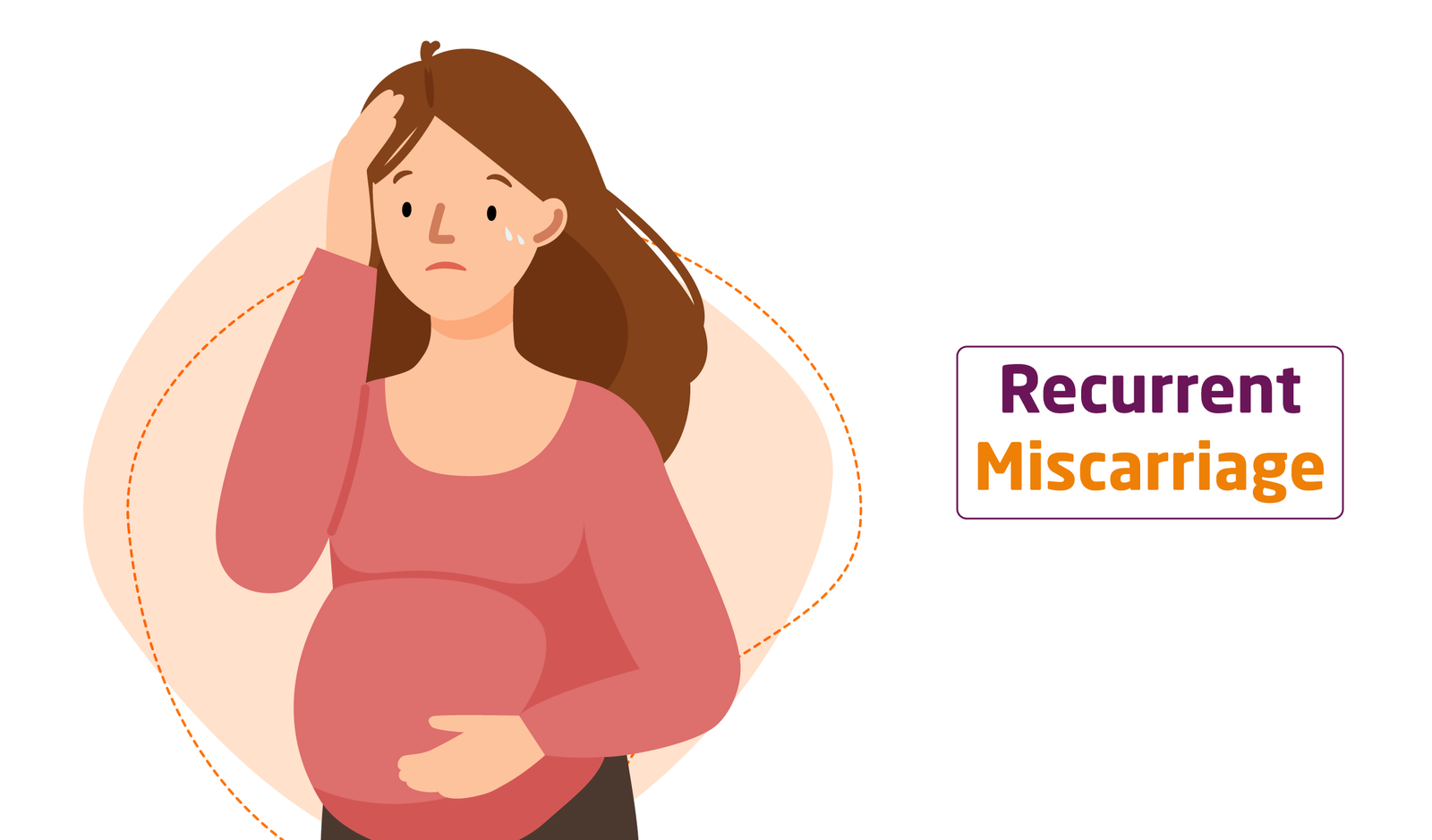
Repeated Miscarriages – Understanding Causes and Finding Hope
Experiencing a miscarriage is emotionally painful. Going through it more than once can feel devastating. Along with physical recovery, there is grief, confusion, and often self-blame. Many couples begin to wonder whether they will ever have a successful pregnancy.
It is important to know that repeated miscarriages are not uncommon, and in many cases, the underlying cause can be identified and treated. With timely evaluation and structured care, the chances of a healthy pregnancy improve significantly.
At Motherhood Hospital, Dr. Pallavi Tekale Deshpande provides compassionate and evidence-based Repeated Miscarriage Treatment in Pune, supporting couples with clarity, reassurance, and personalized medical planning.
What is Recurrent Pregnancy Loss?
Recurrent pregnancy loss is generally defined as two or more consecutive miscarriages before 20 weeks of pregnancy. While a single miscarriage is often due to chromosomal abnormalities and may not repeat, repeated losses require careful medical evaluation.
Structured Recurrent Pregnancy Loss Treatment in Pune focuses on identifying possible causes rather than assuming “bad luck.” Understanding why miscarriages occur helps guide the next steps. With proper medical support, many couples go on to have successful pregnancies.
Why Do Repeated Miscarriages Happen?
There are several potential causes. Sometimes, more than one factor may be involved.
Genetic Causes
Chromosomal abnormalities in the embryo are a common cause of early pregnancy loss. In some cases, one partner may carry a balanced genetic variation. Genetic testing helps identify such issues and guide further planning.
Hormonal Imbalances
Low progesterone levels, thyroid disorders, or uncontrolled diabetes can interfere with implantation and early pregnancy development. Through careful hormonal assessment and support, Repeated Miscarriage Treatment in Pune addresses these correctable factors.
Uterine Abnormalities
Structural issues such as uterine septum, fibroids, or adhesions may prevent proper embryo implantation. Imaging and minimally invasive procedures can help diagnose and treat these conditions.
Autoimmune Conditions
Certain immune disorders, such as antiphospholipid syndrome, may increase the risk of miscarriage. Early detection allows preventive treatment in future pregnancies.

When Should You Seek Medical Help?
If you have experienced two or more miscarriages, it is advisable to consult a specialist. Early evaluation prevents further emotional trauma and avoids unnecessary delay in treatment. Consulting a Miscarriage Specialist in Pune ensures structured investigations and a clear action plan. Even after one loss, women above 35 or those with known medical conditions should seek medical advice before planning another pregnancy.
Investigations for Recurrent Pregnancy Loss
Diagnosis begins with a detailed medical history and physical examination. Blood tests may assess thyroid levels, blood sugar, clotting factors, and hormonal balance. Ultrasound and specialized imaging evaluate uterine structure. In selected cases, genetic testing for both partners may be recommended. Comprehensive evaluation under Repeated Miscarriage Treatment in Pune ensures that no potential cause is overlooked. Identifying the root cause provides direction and reassurance.
Personalized Treatment Options
Treatment depends on the identified cause. There is no one-size-fits-all approach.
Hormonal Support
If progesterone deficiency or thyroid imbalance is detected, medications are prescribed to stabilize hormone levels. Timely hormonal correction plays a vital role in Recurrent Pregnancy Loss Treatment in Pune.
Surgical Correction
Structural uterine abnormalities may require minimally invasive correction. Laparoscopic or hysteroscopic procedures help improve implantation conditions and reduce miscarriage risk.
Lifestyle Modifications
Healthy weight management, balanced nutrition, and stress reduction significantly improve outcomes. Preconception planning ensures the body is prepared for pregnancy.
Emotional Support During Pregnancy Loss
Repeated pregnancy loss affects mental health deeply. Feelings of guilt and anxiety are common.
It is important to remember that miscarriage is rarely caused by anything the mother did or did not do. Compassionate care during Repeated Miscarriage Treatment in Pune includes emotional reassurance and open communication. Couples are encouraged to express their concerns and fears. Emotional healing is as important as physical recovery. Support from family and medical professionals plays a crucial role in rebuilding confidence.
Chances of Successful Pregnancy After Treatment
One of the most reassuring facts is that many women with recurrent miscarriage eventually have healthy pregnancies.
When the cause is identified and treated appropriately, success rates improve significantly.
Structured Pregnancy Care in Pune with early monitoring and supportive therapy increases the likelihood of carrying the pregnancy to term.
Hope is not misplaced. With proper guidance, positive outcomes are achievable.
Every pregnancy journey is unique, and personalized care makes a meaningful difference.
Frequently Asked Questions (FAQs)
Two or more consecutive pregnancy losses are generally considered recurrent. Early consultation for Repeated Miscarriage Treatment in Pune helps identify causes and improve future outcomes.
Yes, many women successfully carry pregnancies after proper evaluation and treatment. Structured Repeated Miscarriage Treatment in Pune significantly improves the chances of a healthy full-term pregnancy.
Tests may include hormonal blood tests, thyroid evaluation, clotting profile, ultrasound imaging, and sometimes genetic testing. These investigations help identify correctable causes.
While extreme stress may affect overall health, most miscarriages are due to chromosomal or medical factors. It is important not to blame yourself and to seek professional guidance.
If you experience two consecutive miscarriages, or if you are above 35 with even one loss, consult a specialist before trying again. Early evaluation helps prevent repeated emotional distress.